

How does the bonding pressure affect the performance of polyolefin hot melt adhesive?
Leave a message

Bonding pressure is a critical parameter in the application of polyolefin hot melt adhesives, which can significantly impact their performance. As a leading polyolefin hot melt adhesive supplier, we have conducted extensive research and practical applications to understand how bonding pressure affects the adhesive's performance. In this blog, we will delve into the relationship between bonding pressure and the performance of polyolefin hot melt adhesives, exploring its influence on various aspects such as adhesion strength, bonding durability, and application efficiency.
Adhesion Strength
Adhesion strength is one of the most important performance indicators of polyolefin hot melt adhesives. Bonding pressure plays a crucial role in achieving optimal adhesion strength. When the adhesive is applied between two substrates, pressure helps to spread the adhesive evenly across the bonding surface, ensuring maximum contact between the adhesive and the substrates. This increased contact area allows for better intermolecular interactions between the adhesive and the substrates, leading to stronger adhesion.
At low bonding pressures, the adhesive may not spread adequately, resulting in uneven coverage and reduced contact area. This can lead to weak adhesion points and lower overall adhesion strength. On the other hand, excessive bonding pressure can cause the adhesive to squeeze out from the bonding area, resulting in a thinner adhesive layer and potentially reducing the adhesion strength. Therefore, it is essential to apply the appropriate bonding pressure to achieve the best adhesion results.
In our experience, the optimal bonding pressure for polyolefin hot melt adhesives depends on several factors, including the type of substrates, the adhesive formulation, and the application method. For example, when bonding porous substrates such as wood or paper, a higher bonding pressure may be required to ensure that the adhesive penetrates into the pores and forms a strong bond. In contrast, when bonding non-porous substrates such as plastics or metals, a lower bonding pressure may be sufficient to achieve good adhesion.
Bonding Durability
Bonding durability refers to the ability of the adhesive bond to withstand various environmental and mechanical stresses over time. Bonding pressure can have a significant impact on the bonding durability of polyolefin hot melt adhesives. By applying the appropriate bonding pressure, the adhesive can form a more uniform and dense bond, which is better able to resist factors such as moisture, temperature changes, and mechanical vibrations.
When the bonding pressure is too low, the adhesive bond may be more susceptible to delamination or failure under stress. This is because the weak adhesion points created by insufficient pressure can act as initiation sites for crack propagation, leading to the breakdown of the bond. Conversely, excessive bonding pressure can cause the adhesive to become over-compressed, which may reduce its flexibility and increase its brittleness. This can make the bond more prone to cracking and failure, especially under dynamic loading conditions.
To ensure long-term bonding durability, it is important to select the appropriate bonding pressure based on the specific application requirements. For applications that require high resistance to environmental factors, such as outdoor signage or automotive components, a higher bonding pressure may be necessary to ensure a strong and durable bond. In contrast, for applications that require flexibility and shock absorption, such as packaging or consumer goods, a lower bonding pressure may be more suitable to maintain the adhesive's elasticity and prevent cracking.
Application Efficiency
In addition to adhesion strength and bonding durability, bonding pressure also affects the application efficiency of polyolefin hot melt adhesives. Applying the appropriate bonding pressure can help to reduce the adhesive consumption and improve the production speed.
When the bonding pressure is too low, the adhesive may not spread evenly, resulting in the need for additional adhesive to achieve the desired coverage. This can increase the adhesive consumption and production costs. On the other hand, excessive bonding pressure can cause the adhesive to flow too quickly, leading to messy application and potential waste. By optimizing the bonding pressure, the adhesive can be applied more precisely and efficiently, reducing the amount of adhesive used and improving the overall production efficiency.
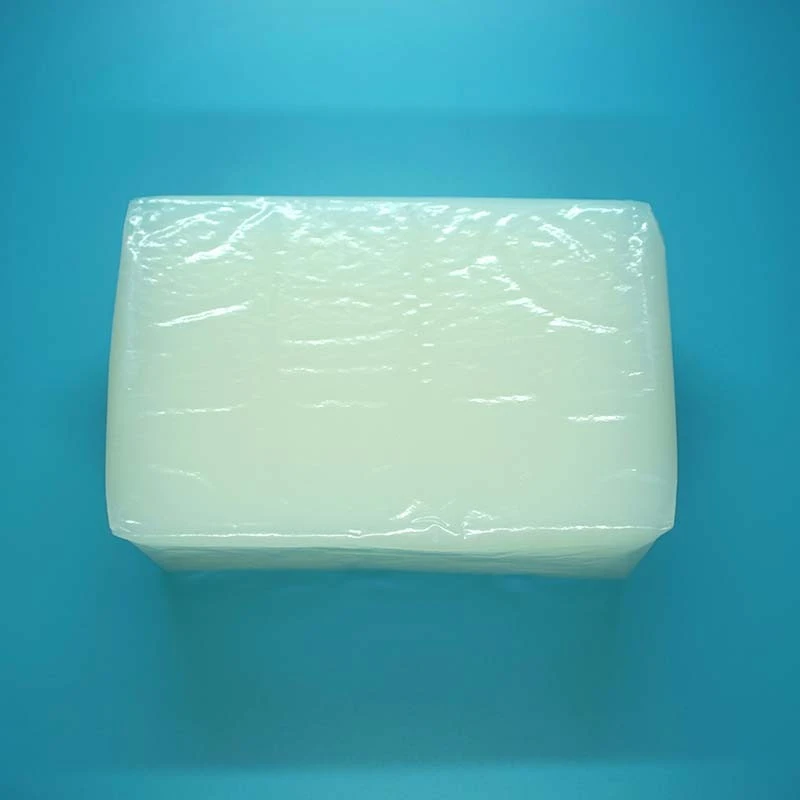

Moreover, the appropriate bonding pressure can also help to reduce the curing time of the adhesive. When the adhesive is applied under the right pressure, it can form a more intimate contact with the substrates, which promotes faster heat transfer and curing. This can lead to shorter production cycles and increased productivity.
Examples of Applications
Polyolefin hot melt adhesives are widely used in various industries due to their excellent adhesion properties, flexibility, and environmental resistance. Here are some examples of how bonding pressure affects the performance of polyolefin hot melt adhesives in different applications:
- Cosmetic Bottle Cap Hot Melt Adhesive: In the cosmetic industry, polyolefin hot melt adhesives are commonly used to bond bottle caps to containers. Cosmetic Bottle Cap Hot Melt Adhesive requires a strong and durable bond to ensure that the bottle caps stay securely in place during transportation and use. The appropriate bonding pressure is crucial to achieve a reliable bond between the cap and the container. If the bonding pressure is too low, the cap may come loose, leading to product leakage. If the pressure is too high, the adhesive may squeeze out and affect the appearance of the product.
- Automotive Interior Hot Melt: Polyolefin hot melt adhesives are also used in the automotive industry for bonding interior components such as dashboards, door panels, and seat covers. Automotive Interior Hot Melt needs to withstand high temperatures, vibrations, and mechanical stresses. The correct bonding pressure is essential to ensure a strong and long-lasting bond that can withstand these harsh conditions. Improper bonding pressure can result in delamination or failure of the interior components, which can affect the safety and comfort of the vehicle.
- Hot Melt Flooring Adhesive: In the flooring industry, polyolefin hot melt adhesives are used to bond various types of flooring materials to the subfloor. Hot Melt Flooring Adhesive must provide a strong and stable bond to prevent the flooring from shifting or lifting. The bonding pressure affects the adhesion strength and the ability of the adhesive to fill any gaps or irregularities in the subfloor. Insufficient pressure may result in loose flooring, while excessive pressure can cause the adhesive to seep out from the edges of the flooring.
Conclusion
In conclusion, bonding pressure is a critical factor that affects the performance of polyolefin hot melt adhesives in terms of adhesion strength, bonding durability, and application efficiency. As a polyolefin hot melt adhesive supplier, we understand the importance of selecting the appropriate bonding pressure for each specific application. By working closely with our customers, we can provide them with the technical support and guidance needed to optimize the bonding process and achieve the best results.
If you are interested in learning more about our polyolefin hot melt adhesives or need assistance with your bonding application, please feel free to contact us. Our team of experts is ready to help you find the right adhesive solution for your needs.
References
- ASTM D903 - Standard Test Method for Peel or Stripping Strength of Adhesive Bonds
- ISO 4587 - Adhesives - Determination of Tensile Lap - Shear Strength of Rigid - to - Rigid Adhesive Bonds
- Shen, L., & Li, H. (2019). Influence of Bonding Pressure on the Performance of Polyolefin Hot Melt Adhesives. Journal of Adhesion Science and Technology, 33(12), 1456 - 1468.


