

Can eva hot melt adhesive be used for bonding wood?
Leave a message

As a supplier of EVA hot melt adhesive, I often get asked whether EVA hot melt adhesive can be used for bonding wood. This is a question that many woodworkers, DIY enthusiasts, and professionals in the woodworking industry are curious about. In this blog post, I'll delve into the details of using EVA hot melt adhesive for wood bonding, exploring its properties, advantages, limitations, and best practices.
Understanding EVA Hot Melt Adhesive
EVA, or ethylene-vinyl acetate, is a copolymer that is widely used in the production of hot melt adhesives. EVA hot melt adhesives are thermoplastic adhesives that are solid at room temperature. When heated, they melt and become a liquid that can be applied to surfaces. Once cooled, they solidify again, creating a strong bond.
EVA hot melt adhesives are known for their versatility, ease of use, and relatively low cost. They are used in a variety of applications, including packaging, bookbinding, woodworking, and crafts. You can find different forms of EVA hot melt adhesives, such as EVA Hot Melt Glue Stick and EVA Glue Stick, which are popular among DIYers, and EVA Hot Melts for Packaging, which are used in industrial settings.
Can EVA Hot Melt Adhesive Bond Wood?
The short answer is yes, EVA hot melt adhesive can be used for bonding wood. However, the effectiveness of the bond depends on several factors, including the type of wood, the surface preparation, and the application method.
Types of Wood
Different types of wood have different characteristics, such as porosity, density, and surface texture. These characteristics can affect how well the EVA hot melt adhesive bonds to the wood.
- Softwoods: Softwoods, such as pine, cedar, and fir, are generally more porous than hardwoods. This means that the adhesive can penetrate the wood fibers more easily, creating a stronger bond. EVA hot melt adhesive works well on softwoods, especially for non-structural applications.
- Hardwoods: Hardwoods, such as oak, maple, and cherry, are denser and less porous than softwoods. This can make it more challenging for the adhesive to penetrate the wood fibers. However, with proper surface preparation, EVA hot melt adhesive can still provide a good bond on hardwoods.
Surface Preparation
Proper surface preparation is crucial for achieving a strong bond between EVA hot melt adhesive and wood. Here are some steps to follow:
- Clean the Surface: Remove any dirt, dust, oil, or other contaminants from the wood surface. You can use a clean cloth or a mild detergent to clean the surface. Make sure the surface is completely dry before applying the adhesive.
- Sand the Surface: Sanding the wood surface can help to roughen it, which allows the adhesive to grip better. Use a fine-grit sandpaper to sand the surface lightly. Wipe away any dust after sanding.
- Remove Any Finish: If the wood has a finish, such as paint, varnish, or stain, you may need to remove it before applying the adhesive. You can use a chemical stripper or sanding to remove the finish.
Application Method
The application method also plays a role in the effectiveness of the bond. Here are some tips for applying EVA hot melt adhesive to wood:
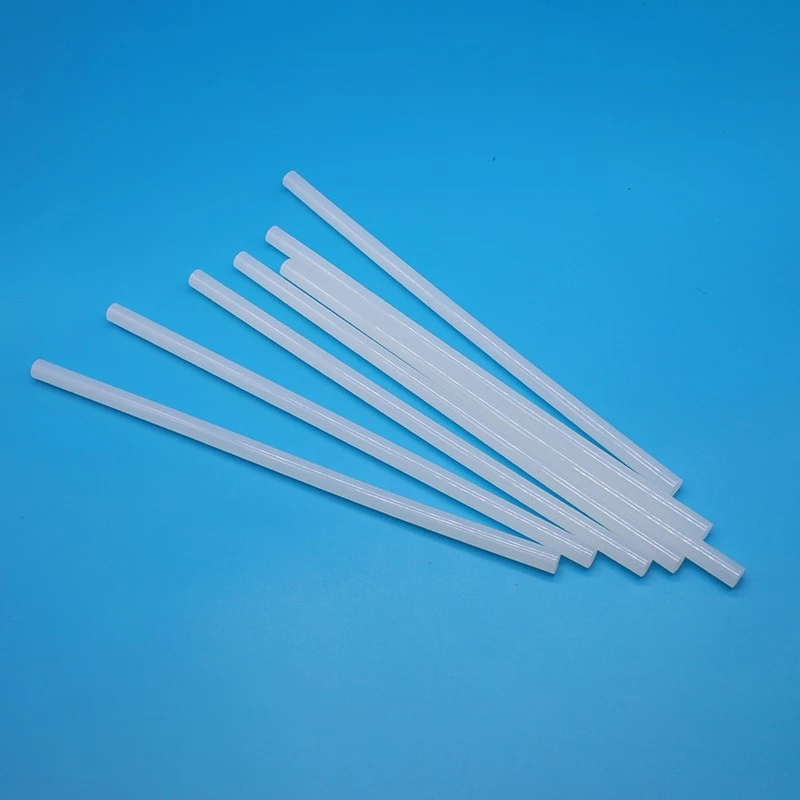
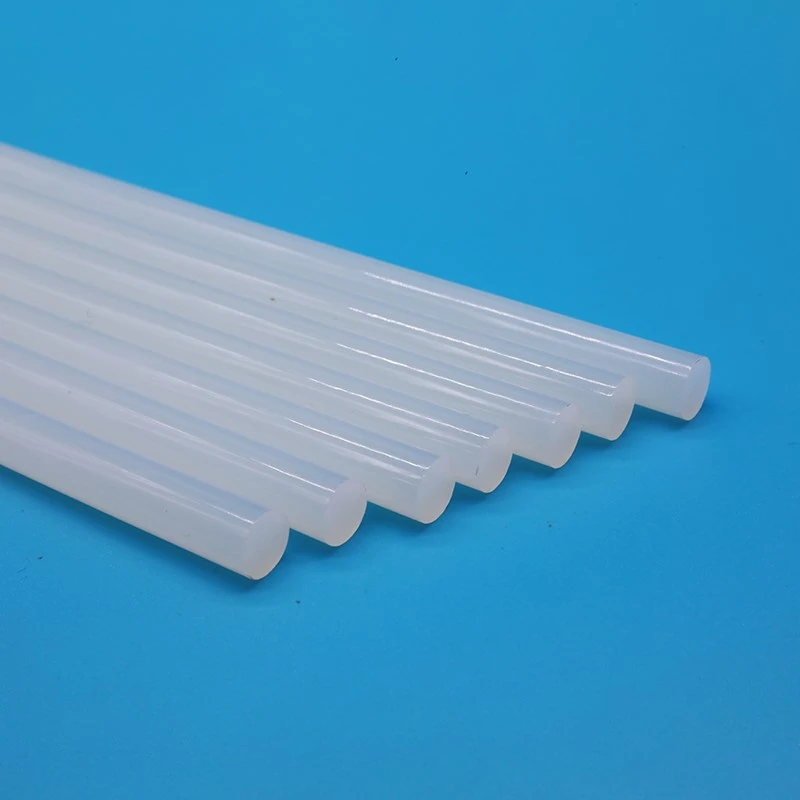
- Use the Right Temperature: EVA hot melt adhesive has a specific temperature range at which it melts and flows properly. Make sure to use a hot melt glue gun or dispenser that can reach and maintain the recommended temperature. If the adhesive is too cold, it may not flow evenly, and if it is too hot, it may burn or degrade.
- Apply the Adhesive Evenly: Apply the adhesive evenly to one of the wood surfaces. Use a steady hand and apply the adhesive in a continuous bead or layer. Make sure to cover the entire area that will be bonded.
- Press the Surfaces Together: Once the adhesive is applied, quickly press the two wood surfaces together. Apply firm pressure for a few seconds to ensure good contact between the adhesive and the wood. You can use clamps or weights to hold the surfaces together while the adhesive cools and solidifies.
Advantages of Using EVA Hot Melt Adhesive for Wood Bonding
There are several advantages to using EVA hot melt adhesive for wood bonding:
- Fast Bonding: EVA hot melt adhesive sets quickly, which means you can assemble your wood project faster. This is especially useful for high-volume production or DIY projects where you want to complete the work quickly.
- Easy to Use: EVA hot melt adhesive is easy to apply. You can use a hot melt glue gun or dispenser, which are widely available and easy to operate. There is no need for mixing or curing time, making it a convenient option for both professionals and DIYers.
- Versatile: EVA hot melt adhesive can be used on a variety of wood types and for different applications, such as bonding wood to wood, wood to other materials, or for decorative purposes.
- Non-Toxic: EVA hot melt adhesive is generally non-toxic, which makes it a safe option for use in woodworking projects, especially those that involve children or food contact.
Limitations of Using EVA Hot Melt Adhesive for Wood Bonding
While EVA hot melt adhesive has many advantages, it also has some limitations:
- Limited Heat Resistance: EVA hot melt adhesive has a relatively low heat resistance compared to some other types of adhesives. If the bonded wood is exposed to high temperatures, the adhesive may soften or lose its bond strength.
- Limited Water Resistance: EVA hot melt adhesive is not very water-resistant. If the bonded wood is exposed to moisture or water, the adhesive may weaken or fail. This makes it less suitable for outdoor or high-moisture applications.
- Not Suitable for Structural Applications: EVA hot melt adhesive is not recommended for structural applications where high strength and durability are required. It is best used for non-structural or light-duty applications, such as attaching trim, decorative elements, or for temporary bonding.
Best Practices for Using EVA Hot Melt Adhesive on Wood
To get the best results when using EVA hot melt adhesive on wood, here are some best practices to follow:
- Test the Adhesive: Before using the adhesive on your actual project, test it on a small, inconspicuous area of the wood to make sure it bonds well and does not cause any damage or discoloration.
- Use the Right Amount of Adhesive: Applying too much adhesive can cause it to squeeze out and create a messy appearance. Applying too little adhesive may result in a weak bond. Use the right amount of adhesive for the size and type of the project.
- Work in a Well-Ventilated Area: When using a hot melt glue gun or dispenser, the adhesive may release some fumes. Make sure to work in a well-ventilated area to avoid inhaling the fumes.
- Store the Adhesive Properly: Store the EVA hot melt adhesive in a cool, dry place to prevent it from melting or degrading. Follow the manufacturer's instructions for storage and handling.
Conclusion
In conclusion, EVA hot melt adhesive can be used for bonding wood, but it has its advantages and limitations. It is a versatile, easy-to-use, and cost-effective option for non-structural and light-duty woodworking applications. However, it is important to consider the type of wood, surface preparation, application method, and the specific requirements of your project before using EVA hot melt adhesive.
If you are interested in purchasing EVA hot melt adhesive for your woodworking projects, we are here to help. Our company offers a wide range of high-quality EVA hot melt adhesives that are suitable for various wood bonding applications. We can provide you with technical support and advice to ensure that you get the best results. Contact us today to discuss your requirements and start your woodworking project with confidence.
References
- ASTM International. (2023). Standard Test Methods for Strength Properties of Adhesives in Shear by Tension Loading of Single-Lap-Joint Laminated Assemblies. ASTM D1002.
- Forest Products Laboratory. (2010). Wood Handbook: Wood as an Engineering Material. USDA Forest Service, Madison, WI.
- Henkel Adhesives. (2023). EVA Hot Melt Adhesives: Technical Guide. Henkel AG & Co. KGaA, Düsseldorf, Germany.


