

Are polyamide adhesives fire - resistant?
Leave a message

In the world of adhesives, polyamide adhesives have carved out a significant niche due to their excellent performance in bonding various materials. As a supplier of Polyamide Adhesives, I often encounter questions from customers about the fire - resistance of these adhesives. This blog post aims to delve into this topic, exploring the fire - resistant properties of polyamide adhesives, the factors influencing them, and their applications in different industries.
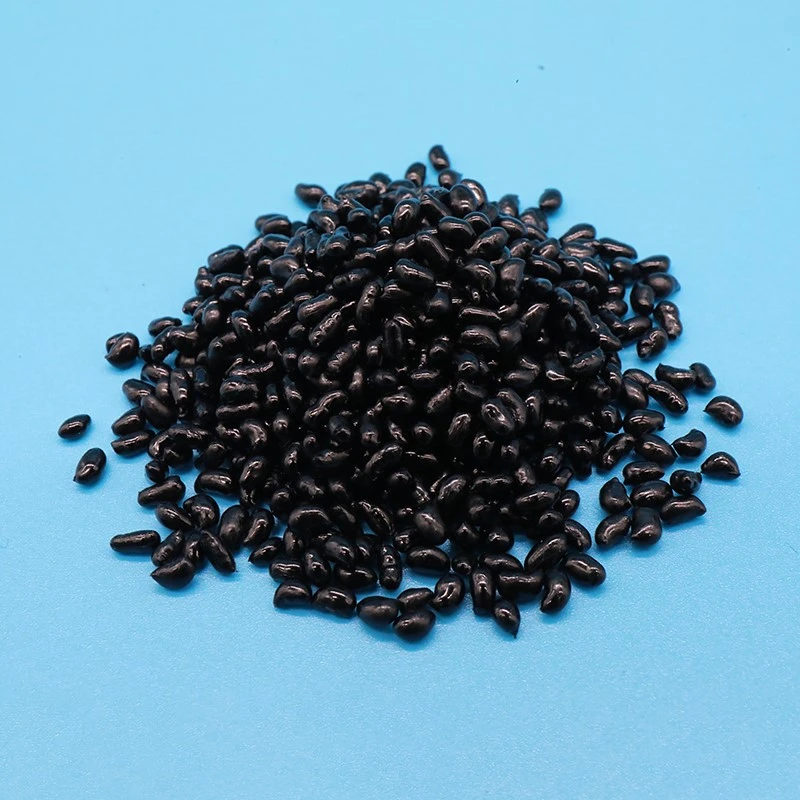

Understanding Polyamide Adhesives
Polyamide adhesives are a type of thermoplastic adhesive known for their high strength, flexibility, and good chemical resistance. They are typically used in applications where a strong and durable bond is required, such as in the automotive, electronics, and filtration industries. Polyamide Hot Melts for Oil Filter and Polyamide Hot Melts for Air Filter are two specific types of polyamide adhesives that are widely used in the filtration industry to bond filter media and frames.
Fire - Resistance of Polyamide Adhesives
The fire - resistance of polyamide adhesives is a complex topic. Polyamides, in general, have a relatively high melting point, which gives them some inherent resistance to heat. However, this does not necessarily mean that they are fire - resistant in the strictest sense.
When exposed to high temperatures, polyamide adhesives will start to soften and eventually melt. If the temperature is high enough and there is an ignition source, they can catch fire. The flammability of polyamide adhesives depends on several factors, including their chemical composition, the presence of additives, and the thickness of the adhesive layer.
Chemical Composition
The chemical structure of polyamide adhesives plays a crucial role in their fire - resistance. Different types of polyamides have different melting points and thermal stabilities. For example, aromatic polyamides generally have higher melting points and better thermal stability than aliphatic polyamides. This means that aromatic polyamide adhesives may be more resistant to heat and fire compared to aliphatic ones.
Additives
Additives can be used to improve the fire - resistance of polyamide adhesives. Flame retardants are commonly added to polyamide formulations to reduce their flammability. These flame retardants work by either releasing non - flammable gases when heated, which dilute the oxygen around the adhesive, or by forming a protective char layer on the surface of the adhesive, which acts as a barrier to heat and oxygen.
Adhesive Layer Thickness
The thickness of the adhesive layer also affects its fire - resistance. A thicker layer of adhesive may take longer to heat up and ignite compared to a thinner layer. However, once ignited, a thicker layer may burn more vigorously due to the larger amount of combustible material.
Testing the Fire - Resistance of Polyamide Adhesives
To determine the fire - resistance of polyamide adhesives, various testing methods are available. One of the most common methods is the UL 94 test, which is a standard test for flammability of plastic materials. In this test, a sample of the adhesive is placed in a vertical position and ignited with a small flame. The time it takes for the flame to extinguish, the length of the burn, and the dripping of flaming particles are all measured and used to classify the material into different flammability ratings, such as V - 0, V - 1, and V - 2.
Another test method is the cone calorimeter test, which measures the heat release rate, mass loss rate, and smoke production of the adhesive when exposed to a radiant heat source. This test provides more detailed information about the fire behavior of the adhesive, including its ignition time, peak heat release rate, and total heat release.
Applications and Fire - Resistance Requirements
The fire - resistance requirements for polyamide adhesives vary depending on the application. In some industries, such as the automotive and electronics industries, fire - resistance is a critical factor due to safety concerns.
Automotive Industry
In the automotive industry, polyamide adhesives are used for bonding various components, such as interior trim, engine components, and electrical systems. These adhesives need to meet strict fire - resistance standards to ensure the safety of passengers. For example, adhesives used in the interior of a vehicle may need to pass the FMVSS 302 test, which measures the flammability of materials used in motor vehicle interiors.
Electronics Industry
In the electronics industry, polyamide adhesives are used for bonding printed circuit boards, electronic components, and enclosures. Fire - resistance is essential to prevent the spread of fire in case of an electrical short circuit or overheating. Adhesives used in electronics applications may need to meet standards such as UL 94 V - 0 to ensure that they do not contribute to the spread of fire.
Filtration Industry
In the filtration industry, the fire - resistance requirements for polyamide adhesives are generally less stringent compared to the automotive and electronics industries. However, in some applications where the filters are used in high - temperature or potentially flammable environments, fire - resistant adhesives may be required.
Our Offerings as a Polyamide Adhesives Supplier
As a supplier of polyamide adhesives, we understand the importance of fire - resistance in different applications. We offer a range of polyamide adhesives with varying levels of fire - resistance to meet the specific needs of our customers.
Our research and development team is constantly working on improving the fire - resistance of our polyamide adhesives by using advanced flame retardant technologies and optimizing the chemical composition of our formulations. We also conduct rigorous testing on our adhesives to ensure that they meet the relevant fire - resistance standards.
Contact Us for Procurement
If you are interested in our polyamide adhesives and have specific fire - resistance requirements for your application, we would be more than happy to assist you. Our team of experts can provide you with detailed information about our products, including their fire - resistance properties, and help you select the most suitable adhesive for your needs. Please feel free to contact us for procurement discussions, and we look forward to establishing a long - term partnership with you.
References
- ASTM International. (2023). ASTM D635 - 22: Standard Test Method for Rate of Burning and/or Extent and Time of Burning of Self - Supporting Plastics in a Horizontal Position.
- Underwriters Laboratories. (2023). UL 94: Tests for Flammability of Plastic Materials for Parts in Devices and Appliances.
- International Organization for Standardization. (2023). ISO 5660 - 1: Reaction to fire tests — Heat release, smoke production and mass loss rate — Part 1: Heat release rate (cone calorimeter method).


