

How does car filter hot melt adhesive adhere to different materials of car filters?
Leave a message

Yo! I'm a supplier of Car Filter Hot Melt Adhesive, and today I wanna chat about how this awesome stuff adheres to different materials used in car filters. It's pretty cool how it bonds everything together to make the filters work like a charm.
Understanding Car Filters and the Need for Adhesives
First off, car filters are super important. They keep all the bad stuff out of your car's engine and cabin, like dust, dirt, and pollen. There are different types of car filters, such as air filters, oil filters, and fuel filters. Each type is made up of various materials, and that's where our Car Filter Hot Melt Adhesive comes in to hold it all together.
Let's talk a bit about the materials commonly used in car filters. Air filters are often made of paper, synthetic fibers, or a combination of both. Paper is lightweight and has good filtering properties, but it needs something to keep its shape and hold the layers together. Synthetic fibers, on the other hand, are more durable and can withstand higher temperatures and pressures.
Oil filters usually have a metal or plastic housing with a filter element inside. The filter element can be made of cellulose, synthetic media, or a blend of both. These materials need to be securely attached to the housing to prevent oil from bypassing the filter.
Fuel filters are designed to remove contaminants from the fuel before it reaches the engine. They can be made of materials like nylon, polyester, or fiberglass. The adhesive used in fuel filters needs to be resistant to gasoline and other fuels to ensure a long - lasting bond.
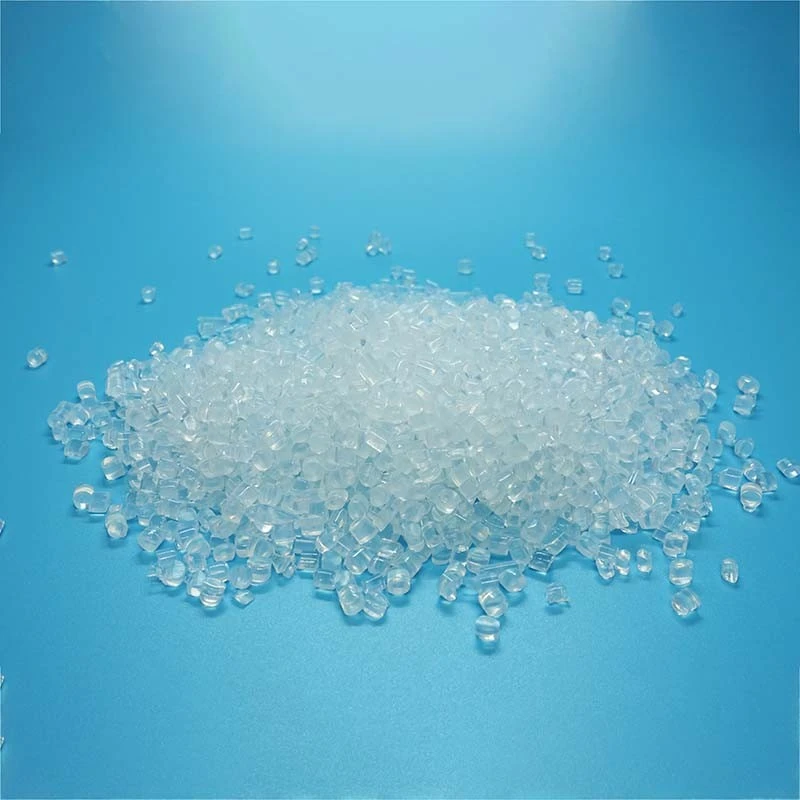

Adhesion Mechanisms of Car Filter Hot Melt Adhesive
1. Physical Bonding
One of the ways our Car Filter Hot Melt Adhesive adheres to different materials is through physical bonding. When the hot melt adhesive is in its molten state, it can flow into the tiny pores and irregularities on the surface of the materials. As it cools down and solidifies, it forms a mechanical interlock.
For example, when bonding to a porous paper material in an air filter, the hot melt adhesive seeps into the pores of the paper. Once it hardens, it's like it's gripping the paper fibers from the inside, making a strong connection. Similarly, when bonding to plastic or metal surfaces, the adhesive fills in any micro - scratches or rough areas, creating a physical barrier that resists separation.
2. Chemical Bonding
In addition to physical bonding, chemical bonding also plays a crucial role. Our Car Filter Hot Melt Adhesive contains polymers that can form chemical bonds with the molecules on the surface of the materials. These chemical bonds are much stronger than physical bonds and provide a more permanent adhesion.
For instance, when bonding to a synthetic fiber material, the polymers in the adhesive can react with the functional groups on the fiber's surface. This forms covalent bonds or other types of chemical linkages, which hold the adhesive and the fiber together tightly.
Adhesion to Specific Materials
Adhesion to Paper
Paper is a common material in air filters. Our Air Filter Hot Melt Adhesive is specially formulated to bond well with paper. The adhesive has a low viscosity when melted, which allows it to penetrate the paper fibers easily. As it cools, it forms a flexible bond that can withstand the vibrations and airflows inside the filter.
The adhesive also has good moisture resistance. This is important because paper can absorb moisture, which could weaken the bond. Our hot melt adhesive creates a protective layer on the paper, preventing moisture from seeping in and maintaining the integrity of the bond.
Adhesion to Metal and Plastic
When it comes to bonding to metal or plastic components in car filters, our Car Filter Hot Melt Adhesive has the right properties. For metal surfaces, the adhesive can form a strong bond through both physical and chemical means. The physical interlock is created by filling the surface irregularities, and the chemical bonding occurs due to the interaction between the adhesive polymers and the metal atoms.
For plastic, different types of plastics have different surface energies. Our adhesive is designed to be compatible with a wide range of plastics. It can wet the plastic surface effectively, which is essential for good adhesion. Once the adhesive cools and solidifies, it forms a bond that can withstand the temperature and pressure changes in the filter environment.
Adhesion to Synthetic Fibers
Synthetic fibers are used in many high - performance car filters. Our adhesive has a high affinity for these fibers. It can form strong chemical bonds with the fibers' surface, ensuring a reliable connection. The adhesive also has good elasticity, which allows it to move with the fibers as they expand or contract due to temperature changes. This prevents the bond from breaking under stress.
Factors Affecting Adhesion
Surface Preparation
The surface of the materials to be bonded needs to be clean and dry. Any dirt, oil, or moisture on the surface can reduce the adhesion strength. Before applying the Filter Adhesive, it's important to clean the surfaces thoroughly. This can be done by using solvents or specialized cleaning agents, depending on the type of material.
Temperature
The temperature at which the adhesive is applied and the temperature of the working environment are crucial. Our Car Filter Hot Melt Adhesive has a specific melting point, and it needs to be applied at the right temperature. If the temperature is too low, the adhesive may not flow properly and may not bond well. If the temperature is too high, it can damage the material or cause the adhesive to degrade.
Pressure
Applying the right amount of pressure during the bonding process can improve the adhesion. Pressure helps to ensure that the adhesive spreads evenly and makes good contact with the material surface. This is especially important when bonding large or irregularly shaped components.
Why Choose Our Car Filter Hot Melt Adhesive
Our adhesive offers several advantages. First, it has a wide operating temperature range. It can maintain its adhesion strength in both cold and hot environments, which is essential for car filters that are exposed to different weather conditions.
Second, our adhesive has high chemical resistance. It can resist the effects of oil, gasoline, water, and other chemicals commonly found in a car's engine and filter system. This ensures a long - lasting and reliable bond.
Third, we offer a customizable formula. Depending on your specific requirements, such as the type of material, the application method, and the performance needed, we can adjust the formula of our adhesive to meet your needs.
Let's Talk Business
If you're in the market for high - quality Car Filter Hot Melt Adhesive, I'd love to have a chat with you. Whether you're a car filter manufacturer or a distributor, we can work together to find the best adhesive solution for your products.
Our team is made up of experts in the field, and we're committed to providing excellent customer service. We can offer technical support, product samples, and competitive pricing. So, reach out to us and let's start a conversation about how our Car Filter Hot Melt Adhesive can take your car filter products to the next level.
References
- Morton, J. (2018). Adhesive Bonding Technology: Principles and Practice. Elsevier.
- Harper, C. A. (2008). Handbook of Adhesives and Sealants. McGraw - Hill.


